Quality and testing
Every product we sell has a named manufacturer and a batch lab report behind it. This is how we check both.
Last updated November 2026
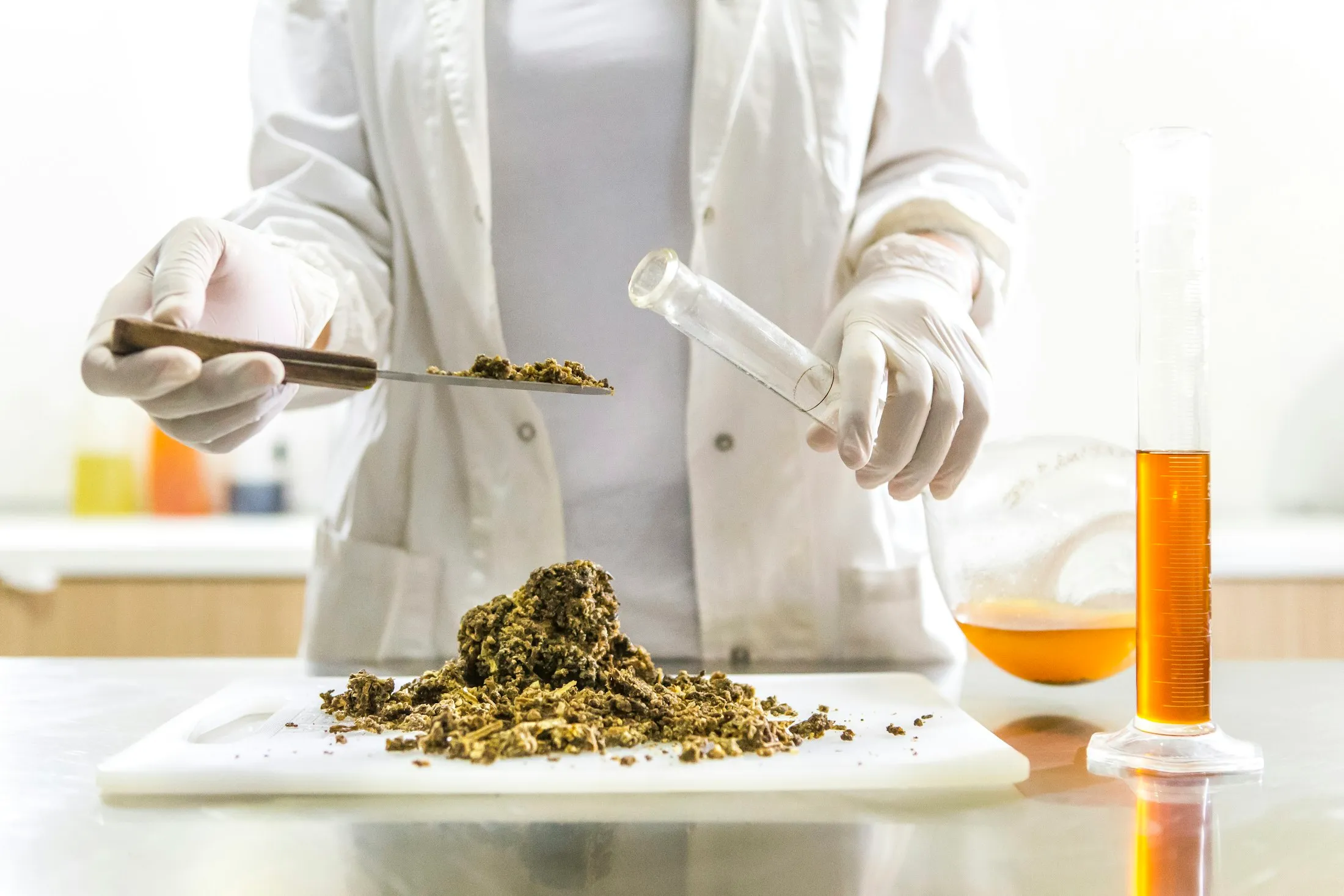
What we ask for
- A certificate of analysis for each batch, from a lab accredited by NABL for the tests reported
- Identity of the herb, microbial limits and heavy metals on the report
- The batch number on the report matching the batch number on the pack
- Manufacturing and expiry dates on the pack
Heavy metal limits
We use the limits accepted by the Ministry of AYUSH for herbal products:
| Metal | Maximum |
|---|---|
| Lead (Pb) | 10 ppm |
| Arsenic (As) | 3 ppm |
| Mercury (Hg) | 1 ppm |
| Cadmium (Cd) | 0.3 ppm |
Source: Quality Council of India, AYUSH Mark permissible contaminant levels.
How we check
- Read the report: lab name, accreditation, batch number, date, tests and results.
- Check the lab's NABL accreditation covers the tests on the report.
- Compare the report with the label and the sample we received.
- From time to time, send a retail sample to an independent lab and compare results.
When we reject a batch
- Any heavy metal above the limits above
- No batch report, or a report that names a different batch
- Report from an unaccredited lab, or for tests outside the lab's accredited scope
- Broken seals, damp or clumped product, or packs past expiry
If an independent test disagrees with a supplier's report, we share both reports with the supplier before deciding anything.